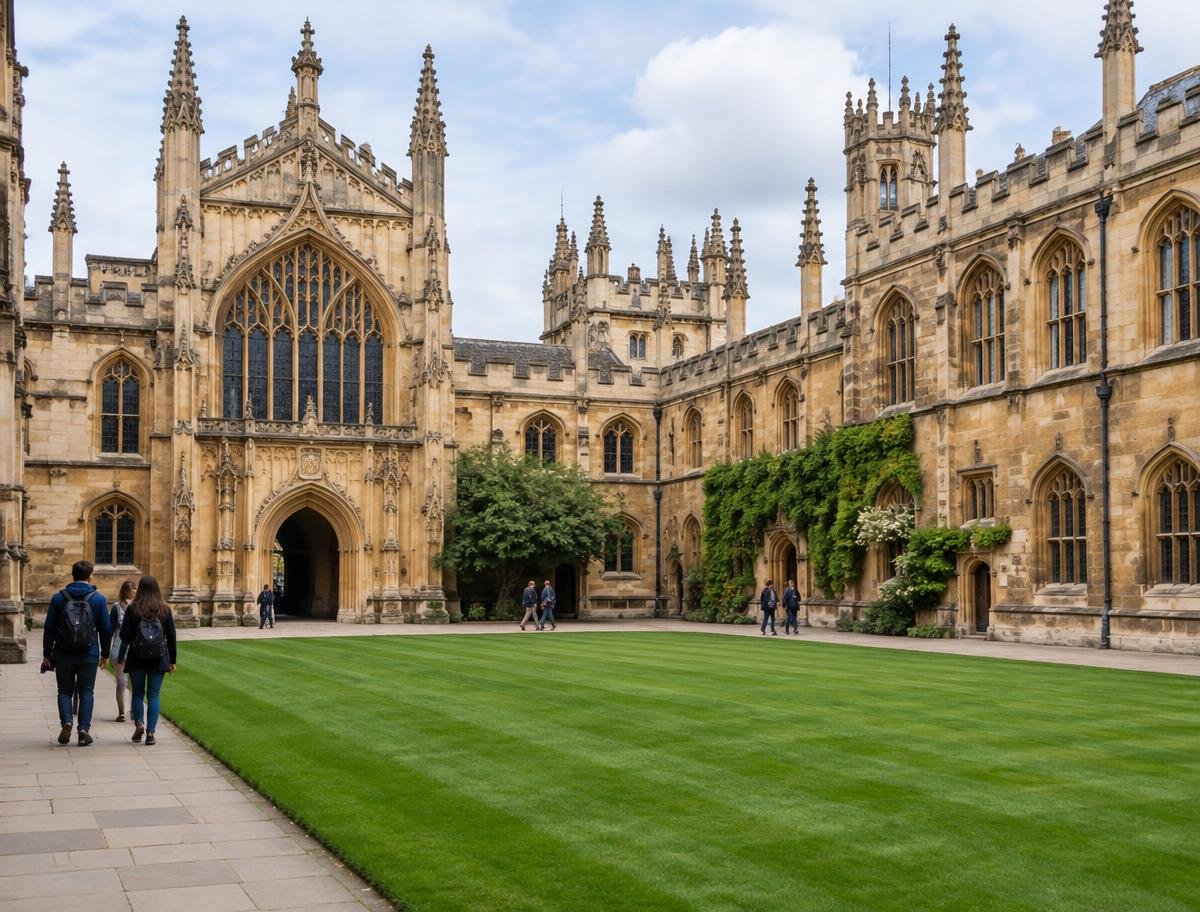
Study in UK
Globally recognised universities, diverse campuses and flexible academic pathways.
Why study in UK?
Your pathway to study abroad success — with the right guidance, it becomes simple and clear.
Globally Recognised Degrees
UK universities are known for academic quality, research and international alumni networks.
Course Variety
Explore thousands of options across business, science, engineering, arts and healthcare.
Flexible Study Lengths
Many bachelor's and master's courses are shorter than comparable programs elsewhere.
Historic and Modern Campuses
Choose from major cities, smaller university towns and regional campuses.
Student Work Conditions
Some students may work during study, subject to visa conditions and course level.
Graduate Route
Eligible graduates can apply for post-study permission under current Graduate visa rules.
About UK
The United Kingdom offers a broad choice of universities and courses across England, Scotland, Wales and Northern Ireland. Tuition and living costs vary by university, course and city. International students generally need a licensed sponsor, a Confirmation of Acceptance for Studies (CAS) and appropriate financial evidence before applying for a Student visa.
Capital
London
Currency
Pound sterling (GBP)
Countries
England, Scotland, Wales, Northern Ireland
Language
English
Universities
160+ higher education providers
Student visa
UK Student route
Top universities in UK
University of Oxford
A leading research university with a wide portfolio of undergraduate and graduate programs.
University of Cambridge
A historic university with internationally recognised teaching and research across many disciplines.
Imperial College London
Specialises in science, engineering, medicine and business in London.
University of Edinburgh
A major Scottish research university with programs across sciences, humanities and professional fields.
Additional partner institutions are available — ask our counsellors for the full list.
Admission requirements in UK
Bachelor's Degree
- Recognized secondary qualifications
- Course prerequisites and English evidence
- Personal statement and references
- UCAS or direct application as required
Master's Degree
- Relevant bachelor's degree and transcripts
- English language evidence
- References and statement of purpose
- Portfolio or experience if course-specific
Student Visa
- Offer from a licensed student sponsor
- CAS reference
- Financial evidence and identity documents
- English language and health requirements as applicable
Cost of living in UK
UK offers student-friendly expenses — the table shows average costs for international students. Exact figures vary by university, city and intake.
Estimated costs
- International tuition / year
- Often £10,000–£26,000; course-dependent
- Living costs
- Higher in London; varies by region
- Visa and health surcharge
- Check current official charges
- Accommodation
- University and city dependent
- Books and course materials
- Program-dependent
Costs are indicative ranges and are confirmed during your free consultation.
Student life in UK
UK offers a vibrant mix of academics, culture and modern city life — safe campuses, welcoming communities and plenty of opportunities to explore, connect and grow.
- Historic university towns and global cities
- Student societies and campus events
- Extensive public transport links
- Diverse international communities
- Museums, arts and sports
- Study options across four UK nations
UK student visa process
A simple step-by-step guide to the UK study visa process for international students.
- 01
Choose a licensed sponsor
Confirm the university and course are eligible for the Student route.
- 02
Apply for admission
Meet academic, English-language and course-specific requirements.
- 03
Receive CAS
Accept the offer and receive your Confirmation of Acceptance for Studies.
- 04
Prepare evidence
Arrange financial documents, passport and any required health or language evidence.
- 05
Submit visa application
Apply online within the allowed window and complete biometrics as instructed.
- 06
Travel after decision
Check the eVisa, entry dates and study/work conditions before travelling.
Post-study work opportunities in UK
UK offers clear career prospects for international graduates to start their professional journey after completing their studies.
Graduate visa
Eligible graduates can apply after successful completion and provider notification. The published duration depends on the date of application and qualification.
Skilled Worker route
Some graduates may switch to another work route if they meet sponsorship and eligibility requirements.
No automatic job placement
Post-study permission does not guarantee employment or settlement.
FAQ's — got questions? We're here to help.
01How much does it cost to study in the UK?
International tuition can range widely; a commonly quoted guide is around £10,000–£26,000 per year, with higher fees for some clinical and specialist courses. Living expenses are higher in London.
02What do I need for a UK Student visa?
You generally need an offer from a licensed sponsor, a CAS, sufficient funds and the required identity and supporting evidence. Check the current GOV.UK checklist for your situation.
03Can students work while studying?
Some Student visa holders can work limited hours during term, but the allowance depends on course and sponsor. Follow the conditions on your visa.
04How long can I stay after graduating?
Graduate visa length depends on when you apply: GOV.UK currently states 2 years for applications by 31 December 2026, 18 months from 1 January 2027, and 3 years for doctoral qualifications.
05Does studying in the UK guarantee a job or visa extension?
No. A Graduate visa and any later work route require separate applications and eligibility checks.